
Coping with Seasonal Affective Disorder

How to Cope with Seasonal Affective Disorder
Coming off of riding the summertime high and transitioning into pumpkin spice and fall weather. Daylight savings has begun and the days are becoming shorter.

Isn’t it funny how we go from begging for some warm weather to longing for the comfort of being wrapped up in your favorite hoodie?
For some, it is a very welcomed transition. For others, they know their mood will start to shift and they will become less like themselves.
Often in the fall months, seasonal affective disorder (SAD) starts to disrupt and take a toll on a lot of people. Seasonal affective disorder also is not limited to only occurring in the fall and winter months but can also occur in the summer as well.
If you have ever been impacted by or think you have Seasonal Affective Disorder, continue reading.
In this blog, I’m sharing with you helpful ways you can cope with SAD.
I am an ACT therapist in Wilmington, NC, and specialize in working with high-achieving women experiencing stress and anxiety. I provide anxiety therapy and help women work through perfectionism, imposter syndrome, and burnout.
I am an online therapist in North Carolina and Maryland.
Ready to start ACT therapy with me? Click the button below to schedule your free 15-minute consultation on the date and time of your choice.
Keep reading to learn steps you can take to help you cope with seasonal affective disorder.
5 Ways to Help Cope with Seasonal Affective Disorder
Seasonal affective disorder can be really difficult to manage and easy to forget about. Listed below are 5 things you can do to help you cope with SAD.
#1 Coping with Seasonal Affective Disorder: Start Therapy
Starting talk therapy can be really helpful. It can provide some extra support during the harder months. If you already know your patterns and signs of SAD, I recommend scheduling with a therapist before when your seasonal affective disorder cycle begins. Be proactive.
If don’t know your SAD cycle or signs, a therapist can help you determine this for the future.
There are many different types of therapy available for seasonal affective disorder treatment including cognitive behavioral therapy and acceptance and commitment therapy.
Learn more about CBT versus ACT.
#2 Coping with Seasonal Affective Disorder: Know the Signs of SAD
Knowing the signs and symptoms of seasonal affective disorder is important. It can help you to be proactive and create a plan that is best for you.
SAD can be present in the winter months as well as the summer months.
Common signs and symptoms of SAD include:
Disinterest in things you typical enjoy
Low energy
Poor sleep including too much or too little
Difficulty with concentration
Feelings of sadness
Feelings of anxiety
Appetite changes
Poor concentration
Irritability
These signs and symptoms sound a lot like other mental health disorders. Remember, the changes in your mood or behavior for SAD are closely linked to the changes in the seasons.
#3 Coping with Seasonal Affective Disorder: Plan Ahead
Talk with your doctor ahead of time to develop a plan if you decide to take medications, plan for time away in warmer and sunnier locations during the winter months
#4 Coping with Seasonal Affective Disorder: Create a Schedule
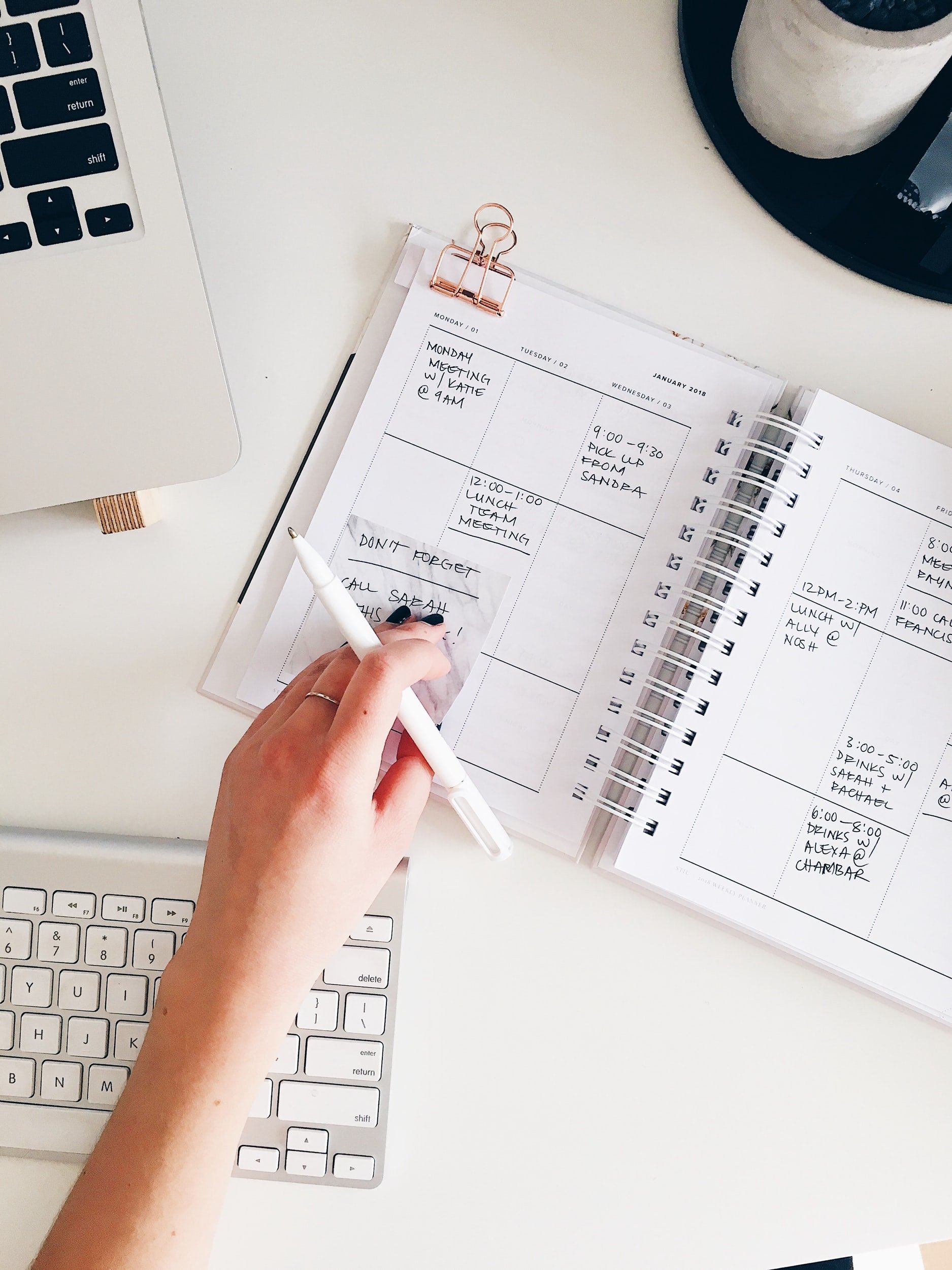
Having a routine and schedule is important. Creating a schedule helps with knowing what is expected and what is to come, this is important for folks who have depression and anxiety which is common in seasonal affective disorder.
#5 Coping with Seasonal Affective Disorder: Follow Your Values
Experiencing unhelpful thoughts can take you away from the person you want to be, how you want to live your life, and how you want to treat others. Knowing your values can help keep you aligned with your actions in response to the thoughts and feelings you experience.
Start Acceptance and Commitment Therapy in Wilmington, NC at Calm Waters Counseling
Seasonal affective disorder can be treated and managed. Having support and a plan in place is essential.
Taking care of yourself and knowing ways to cope with seasonal affective disorder are important.

I use ACT for anxiety treatment and depression.
Learn more about Acceptance and Commitment Therapy and how ACT can be helpful for you.
Get started in therapy at Calm Waters Counseling by following these 4 simple steps:
Click the button below to schedule your free 15-minute consultation
Complete the brief questionnaire sent to your email before the consultation
Meet with your ACT therapist
Start living your life the way you want
Therapy for High Achievers in Wilmington, NC at Calm Waters Counseling
You can learn more about me and my Wilmington, NC online counseling practice here!
I provide therapy for anxious high-achieving women and often my clients will come to a session and talk about more than just anxiety.
Check out all services at Calm Waters Counseling, listed below:
Anxiety treatment in Wilmington, NC
Treatment for Perfectionism in Maryland
Burnout Counseling in Wilmington, NC
Therapy for Imposter Syndrome in Wilmington, NC
Online Acceptance and Commitment Therapy in North Carolina
Online therapy has proven to be an effective and useful tool. One of the biggest benefits of online therapy is the amount of flexibility it offers for clients.
Online acceptance and commitment therapy can be used just as it would if you were sitting across from your therapist in the therapy room.
Check out this blog post on using online ACT therapy.

If you are interested in checking out online therapy where you live, click the links below and get some more information.
online acceptance and commitment therapy in North Carolina
online acceptance and commitment therapy in Maryland
Still, have questions? Click the buttons below to learn even more!
Written by: Laura Rippeon, LCSW, LCSW-C
Updated 3/17/23